There’s a new kid on the block and he’s a thug. His name is Chamberbitter (Phyllanthus urinaria), and his sole purpose is to make my life miserable. OK, yours, too. He’s also known as “gripe weed” (no wonder why there) and he comes better equipped to replicate himself than Kudzu ever dreamed.
If you can get beyond the two-and-a-half inch high expanse of meticulously maintained lawn; if you can think more widely than St. Augustine, Bermuda, or Zoysia; if you can avoid being distracted by that substance still illegal in our state, although beloved by many; then open your mind to the vast family of grasses – especially native ones – suitable for use in the garden and in the landscape.
Football and hurricanes are taking center stage again; that’s how you know it is fall in the Lowcountry. The Friday night lights are ablaze in every small town and the rest of the time all eyes and ears are glued to the weather channel. As I write this we are once again waiting to see where Hurricane Florence is headed.
Weeds are very successful strategists. They have developed ways to grow in poor soil, low light and varying amounts of moisture. I respect any plant that comes up through the cracks in the sidewalk.
Most of the gardens in my life – the private gardens, the gardens of friends and relatives – have a history associated with them. Sometimes the home has some historical significance; sometimes the garden itself has been designed and worked and maintained for generations of gardeners; and sometimes the garden simply carries with it the long memory of gardening traditions in the deep South.
Recently a gardening friend adopted a new golden retriever puppy. Adorable as this sweet thing is, she is a digger and has already torn up several formerly lovely garden beds. She is fast; turn your back for a minute and she creates horticultural havoc, smiling as only golden retrievers can and wagging her tiny tail.


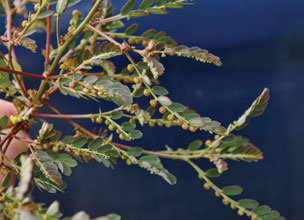 There’s a new kid on the block and he’s a thug. His name is Chamberbitter (Phyllanthus urinaria), and his sole purpose is to make my life miserable. OK, yours, too. He’s also known as “gripe weed” (no wonder why there) and he comes better equipped to replicate himself than Kudzu ever dreamed.
 If you can get beyond the two-and-a-half inch high expanse of meticulously maintained lawn; if you can think more widely than St. Augustine, Bermuda, or Zoysia; if you can avoid being distracted by that substance still illegal in our state, although beloved by many; then open your mind to the vast family of grasses – especially native ones – suitable for use in the garden and in the landscape.
 Football and hurricanes are taking center stage again; that’s how you know it is fall in the Lowcountry. The Friday night lights are ablaze in every small town and the rest of the time all eyes and ears are glued to the weather channel. As I write this we are once again waiting to see where Hurricane Florence is headed.
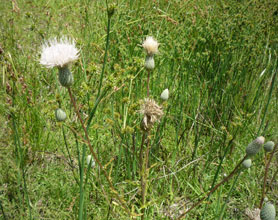 Weeds are very successful strategists. They have developed ways to grow in poor soil, low light and varying amounts of moisture. I respect any plant that comes up through the cracks in the sidewalk.
 Most of the gardens in my life – the private gardens, the gardens of friends and relatives – have a history associated with them. Sometimes the home has some historical significance; sometimes the garden itself has been designed and worked and maintained for generations of gardeners; and sometimes the garden simply carries with it the long memory of gardening traditions in the deep South.
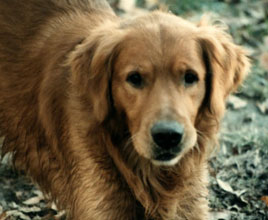 Recently a gardening friend adopted a new golden retriever puppy. Adorable as this sweet thing is, she is a digger and has already torn up several formerly lovely garden beds. She is fast; turn your back for a minute and she creates horticultural havoc, smiling as only golden retrievers can and wagging her tiny tail.